
Shingles Curling or Buckling on an Older CT Roof? Here's How Much Life Is Left
Quick Answer: Curling shingles almost always point to age — UV exposure and thermal cycling dry out the asphalt and shed the protective granule layer, a process that speeds up under Connecticut's freeze-thaw winters and typically shows up somewhere in the 15 to 30 year range depending on shingle quality. Buckling is a different animal. It usually traces back to moisture movement in the roof deck or underlayment, often made worse by a second layer of shingles installed over an old one or by attic ventilation that never met the one-square-foot-per-300-square-feet standard. A roofer separates the two by checking whether the wear is even and gradual (age) or localized and pattern-matched to deck seams or roof sections (a structural or moisture problem), then estimates remaining life by combining granule condition, shingle flexibility, and what the attic looks like from above the insulation.
You've noticed it from the driveway more than once now — the shingles along the south slope have that slightly wavy look, edges curling up just enough to catch the afternoon light differently than they used to. Or maybe it's not the edges at all. There's a section near the ridge that looks like it's rippling, almost like the roof itself is holding its breath.
Either way, you're doing the math a lot of Connecticut homeowners do around year 18 or 20 of a roof's life: is this the beginning of the end, or is something actually wrong underneath. The roof isn't leaking. Nothing's obviously broken. But it doesn't look right, and you'd rather find out now than after a January thaw turns a cosmetic issue into a ceiling stain.
That distinction, cosmetic aging versus an active moisture or ventilation problem, is exactly what a roof inspection is built to answer, and the shingles themselves usually tell most of the story once you know what to look for.
Curling and Buckling Are Not the Same Problem
It's worth separating these two right away, because homeowners often use "curling" and "buckling" interchangeably, and a roofer treats them as different diagnoses with different implications.
Curling Shows Up At The Edges
Shingle tabs curl upward or downward, creating a wavy, scalloped appearance. Years of sun exposure dry the asphalt binder, while UV damage loosens protective granules. As shingles lose flexibility, they can no longer lie flat, particularly along edges receiving the most direct sunlight.
Buckling Shows Up In The Field Of The Roof
Buckling creates long ridges or waves across the roof, often following plywood or OSB decking seams. Unlike curling, it usually indicates movement beneath the shingles. Decking, underlayment, trapped moisture, or an older hidden shingle layer may swell or shift, forcing shingles to follow.
The distinction matters because curling on its own is often just a roof reaching the tail end of its expected service life. Buckling, especially when it runs in straight lines or clusters in one section rather than spreading evenly, is more often a sign that moisture is doing something it shouldn't be doing beneath the shingle layer, and that's a problem that keeps getting worse rather than one you can wait out.
What's Actually Happening Inside an Aging Shingle
The Granules Are The First Line Of Defense
Mineral granules protect asphalt shingles by blocking UV rays and helping manage heat. Years of sunlight, freeze-thaw cycles, and weathering gradually loosen them, washing grit into gutters and downspouts. That visible buildup often appears before curling, signaling that the shingle’s protective surface is deteriorating.
Once Enough Granules Are Gone, Curling Accelerates
When protective granules disappear, UV exposure reaches the asphalt beneath and speeds drying and shrinking. The shingle mat becomes brittle, loses flexibility, and struggles to remain flat during temperature changes. Curling typically begins along exposed edges, where the material has less resistance to movement.
Connecticut’s Freeze-Thaw Climate Adds Extra Wear
Connecticut’s climate can accelerate shingle wear through repeated freeze-thaw cycling. Moisture absorbed during winter thaws expands when temperatures drop, creating repeated stress alongside UV aging. Add nor’easters and summer humidity, and shingles may approach the lower end of their expected lifespan sooner than in milder climates.
Tip: Check your gutters after the first hard rain each spring. A modest amount of fine, sand-like grit is normal on any asphalt roof, but a heavy, consistent accumulation — especially paired with visibly lighter or blotchy patches on the shingles themselves — is a reliable early sign that the granule layer has thinned enough to start affecting how much longer the roof has left.
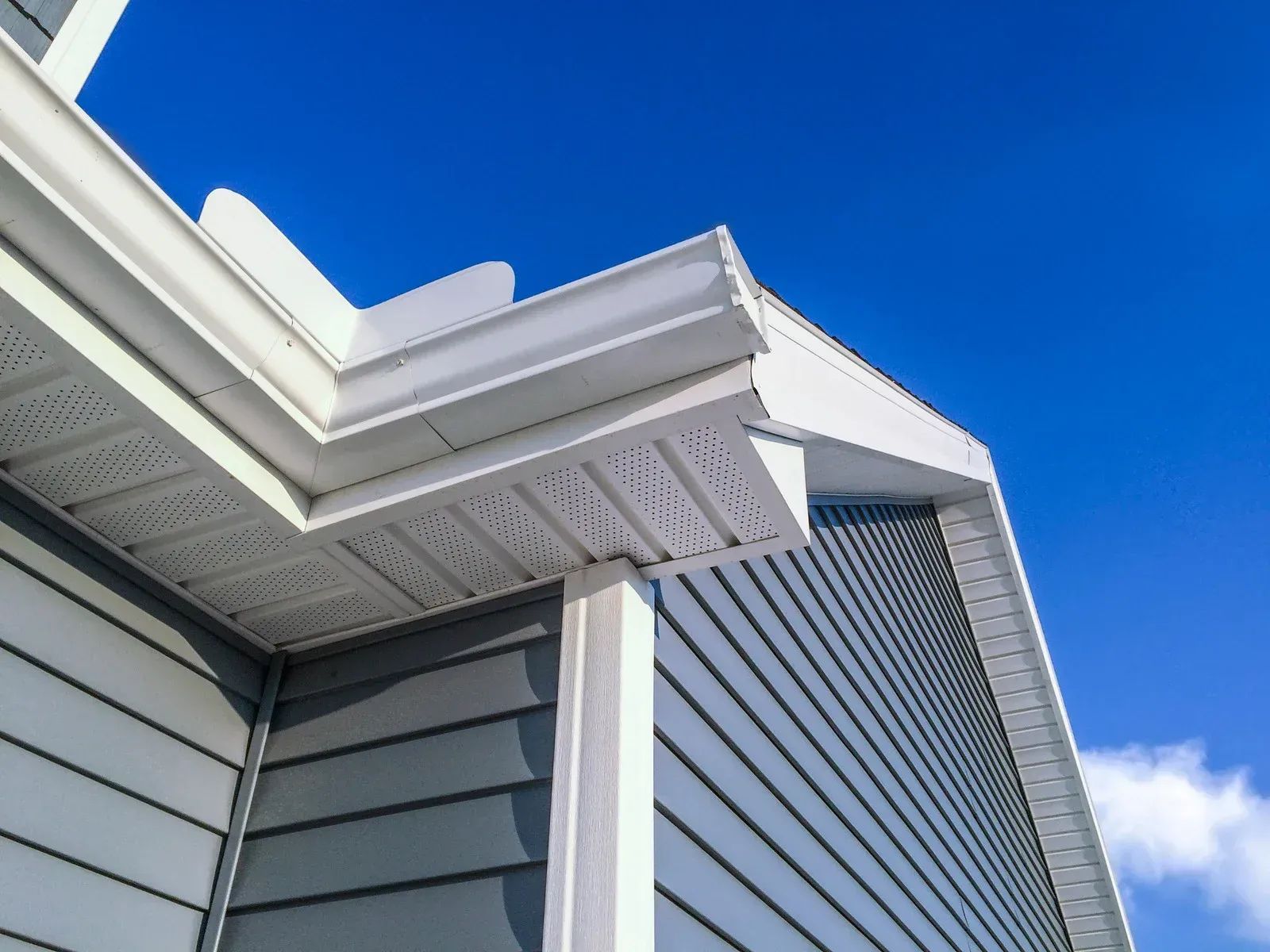
It's tempting to treat damaged soffit and fascia as a low-priority cosmetic issue, but because of what the damage signals and does, it's worth addressing rather than leaving.
First, the moisture behind the damage doesn't stay put. Water getting into or behind the soffit and fascia can spread to the roof structure, the rafter ends, the roof edge, the decking, causing rot and damage beyond the visible components. What starts as peeling or a soft spot on the fascia can, over time, become damage to the roof structure itself, a bigger and more expensive problem. Addressing it while it's confined to the soffit and fascia is far better than letting it work into the roof.
Second, damaged soffit and fascia stop doing their protective job. Compromised fascia can't properly support the gutters or protect the roof edge; damaged soffit leaves the underside of the roof and the attic exposed, and can let in pests. And if a ventilation issue is involved, trapped attic moisture can cause its own problems. So the damage isn't static, it undermines the protection and can worsen. There's also the curb-appeal angle: soffit and fascia frame the roofline, and damaged, sagging, stained boards noticeably detract from the home's appearance.
The right response is to address both the damage and its cause: repair or replace the damaged soffit and fascia, and fix the underlying moisture source (gutters, roof, or ventilation) so it doesn't just come back. That's what protects the roofline, the roof structure behind it, and the home's appearance. Because diagnosing the water source and doing the repair properly, often involving work at the roof edge and gutters, takes some know-how, it's worth having a contractor assess and handle it. Catching and fixing it early, while it's still soffit and fascia rather than roof structure, is the smart move.
When Buckling Points to Something Underneath
Buckling deserves more scrutiny than curling because the cause usually isn't the shingle itself.
Trapped Moisture In The Deck Is The Most Common Driver
Moisture causes plywood or OSB decking to expand and contract repeatedly. If panels lack proper gaps or attic humidity keeps the deck damp, that movement transfers through underlayment and shingles. Buckling often follows deck-panel joints, giving roofers an important clue when identifying the underlying cause.
A Second Layer Of Shingles Can Contribute
A second shingle layer can trap additional heat, prevent new shingles from bonding evenly, and conceal existing deck problems. Moisture issues may continue unnoticed beneath both layers. If buckling appears earlier than expected after a roof-over installation, the extra layer deserves investigation as a possible contributor.
Wet Underlayment Can Wrinkle Permanently
Underlayment that becomes wet from rain or dew before shingles are installed can develop permanent wrinkles. If it is covered before drying completely, those wrinkles transfer through the shingles above, often creating scattered buckling patterns. Unlike deck-related buckling, these wrinkles typically don't follow framing or panel seams.
Attic Ventilation Connects Many Of These Problems
Proper attic ventilation helps control temperature and moisture by moving air through soffit or eave intake vents and ridge or roof exhaust vents. Insufficient ventilation or blocked soffit intakes can trap moisture beneath the deck, encouraging movement that contributes to buckling and premature shingle aging.
It's tempting to treat damaged soffit and fascia as a low-priority cosmetic issue, but because of what the damage signals and does, it's worth addressing rather than leaving.
First, the moisture behind the damage doesn't stay put. Water getting into or behind the soffit and fascia can spread to the roof structure, the rafter ends, the roof edge, the decking, causing rot and damage beyond the visible components. What starts as peeling or a soft spot on the fascia can, over time, become damage to the roof structure itself, a bigger and more expensive problem. Addressing it while it's confined to the soffit and fascia is far better than letting it work into the roof.
Second, damaged soffit and fascia stop doing their protective job. Compromised fascia can't properly support the gutters or protect the roof edge; damaged soffit leaves the underside of the roof and the attic exposed, and can let in pests. And if a ventilation issue is involved, trapped attic moisture can cause its own problems. So the damage isn't static, it undermines the protection and can worsen. There's also the curb-appeal angle: soffit and fascia frame the roofline, and damaged, sagging, stained boards noticeably detract from the home's appearance.
The right response is to address both the damage and its cause: repair or replace the damaged soffit and fascia, and fix the underlying moisture source (gutters, roof, or ventilation) so it doesn't just come back. That's what protects the roofline, the roof structure behind it, and the home's appearance. Because diagnosing the water source and doing the repair properly, often involving work at the roof edge and gutters, takes some know-how, it's worth having a contractor assess and handle it. Catching and fixing it early, while it's still soffit and fascia rather than roof structure, is the smart move.
How a Roofer Assesses Remaining Life
Estimating what's left in an aging roof isn't guesswork, and it isn't just counting years since installation either. A few shingles can behave very differently depending on slope orientation, ventilation quality above one part of the attic versus another, and how much direct afternoon sun a particular section takes.
A thorough assessment usually works through a few layers:
Granule Condition And Shingle Flexibility
A roofer checks remaining granules, visible asphalt cracking, and shingle flexibility. When lifted slightly at a corner, healthy shingles still have some give, while aging shingles become stiff and brittle. These physical signs help determine whether curling reflects normal aging or indicates the roof is nearing replacement.
The Pattern Of Wear Across The Roof
The distribution of curling or buckling matters as much as the damage itself. Even wear across every slope usually indicates age, while problems concentrated on one slope, line, or cluster suggest localized causes such as ventilation issues, deck movement, or concentrated sun exposure.
A Look At The Attic From Underneath
Inspecting the attic can reveal problems hidden from the roof surface. Daylight through decking, stains, condensation, frost, or blocked soffit vents indicate potential moisture or ventilation issues. A dry, properly ventilated attic supports normal aging, while moisture evidence suggests the shingles may only be symptoms.
Cross-Referencing The Shingle’s Expected Lifespan
A roofer compares the roof’s actual condition with the expected lifespan of its specific shingle type. Three-tab, architectural, and premium laminated shingles have different service expectations. If a roof fails significantly earlier than its product category suggests, the cause may involve installation, ventilation, moisture, or other underlying problems.
Taken together, those findings let a roofer give a homeowner something more useful than "it's old" — a realistic sense of whether the roof has a handful of seasons left, whether targeted repairs to a ventilation gap or a section of deck could meaningfully extend it, or whether the wear has progressed far enough that repair would just be delaying an already-necessary replacement.
Warning:
Don't assume a roof with curling or buckling shingles is watertight just because there's no active leak yet. Curled shingle edges lose their ability to shed wind-driven rain and snowmelt the way a flat, sealed shingle does, and buckled sections create small gaps where water can work its way sideways instead of running straight off the roof. The lag between visible shingle wear and an actual interior leak can run a full season or more, which is exactly why the wear itself is worth acting on before the water shows up inside.
Frequently Asked Questions
How long do asphalt shingles actually last in Connecticut?
Manufacturers rate most standard asphalt shingles for 20 to 30 years under ideal conditions. Connecticut's freeze-thaw cycling, coastal humidity, and nor'easter exposure push real-world performance toward the lower half, so local roofs age faster than milder climates suggest.
Is curling always a sign my roof needs full replacement?
Not always. Isolated curling on a few shingles or one section can sometimes be fixed with targeted replacement, especially if a ventilation gap causes it. Widespread curling with granule loss signals the whole roof is aging out.
Why does buckling matter more than curling if both are visible wear?
Curling is the shingle material aging gradually, which is expected. Buckling means something underneath is moving or trapping moisture, an active condition. That difference raises the urgency and often points to a deck-level fix, not a shingle swap.
Can poor attic ventilation really shorten shingle life that much?
Yes, and it ranks among the more common preventable factors. Underventilated attics run hotter and hold more moisture, accelerating granule loss, asphalt drying, and deck movement. A poorly vented roof can look older at 15 years than a ventilated one at 20.
Should I be worried if my roof has two layers of shingles on it?
It's worth assessing, especially with visible buckling or a roof nearing its lifespan. A second layer traps heat, blocks flat bonding, and hides the original deck's condition. Not a crisis, but it shapes how remaining life gets evaluated.
What should I check myself before calling a professional?
From the ground, watch for uneven wear, heavy granule buildup in gutters, and curling concentrated in one area. Inside, check the attic for daylight, rafter staining, or high humidity. None of this replaces a full inspection, but it helps.
Knowing What Your Aging Roof Is Telling You
A roof that shows its age is not a mystery, and it does not have to become an emergency the moment a wavy edge catches your eye from the driveway. The real work is sorting which category the wear belongs to. Ordinary aging tracks steadily with a shingle's expected lifespan, while a moisture or ventilation issue pushes that timeline forward and does its damage quietly, out of sight, beneath the surface where you cannot easily see it develop.
About Time Home Improvement has spent 21
years working on
roofs
across West Haven, CT, and the pattern holds true year after year. Granule loss and curling only tell half the story on their own, because the deck and the attic underneath carry the other half. Checking both together is what separates a roof with a few good seasons left from one whose wear has quietly outrun the calendar and needs a different kind of answer altogether.