
Daylight Through the Attic Boards? Why That's Urgent
Quick Answer: Daylight through the attic boards is not always an emergency, but it is always worth a close look. A few tiny pinpoints of light are often just nail holes or a vent opening. Wide strips, steady beams, or light that shows up where no vent exists usually mean a gap in the roof covering, a missing shingle, or deck boards that have rotted or shrunk. Those openings let in rain, snow, cold air, and sometimes animals long before a stain ever appears on the ceiling below. Mark where the light enters, check the insulation and wood around it for dampness, and have the roof inspected before the next storm.
You head up to the attic on a bright afternoon to grab a box of winter decorations, and something looks wrong. Thin lines of light are cutting through the dark, landing on the insulation like a handful of pencils. Maybe it is a single bright spot near the ridge. Maybe it is a long sliver along one rafter. You stand there wondering if the roof has been like this for years or if something just changed.
That question is a fair one, and the answer depends on what kind of light you are looking at. Some light in an attic is normal. Some of it is the first visible sign that water has a way in. Telling the two apart takes a little knowledge of how a roof is built, which is what the rest of this article walks through.
What Is Actually Between You and the Sky
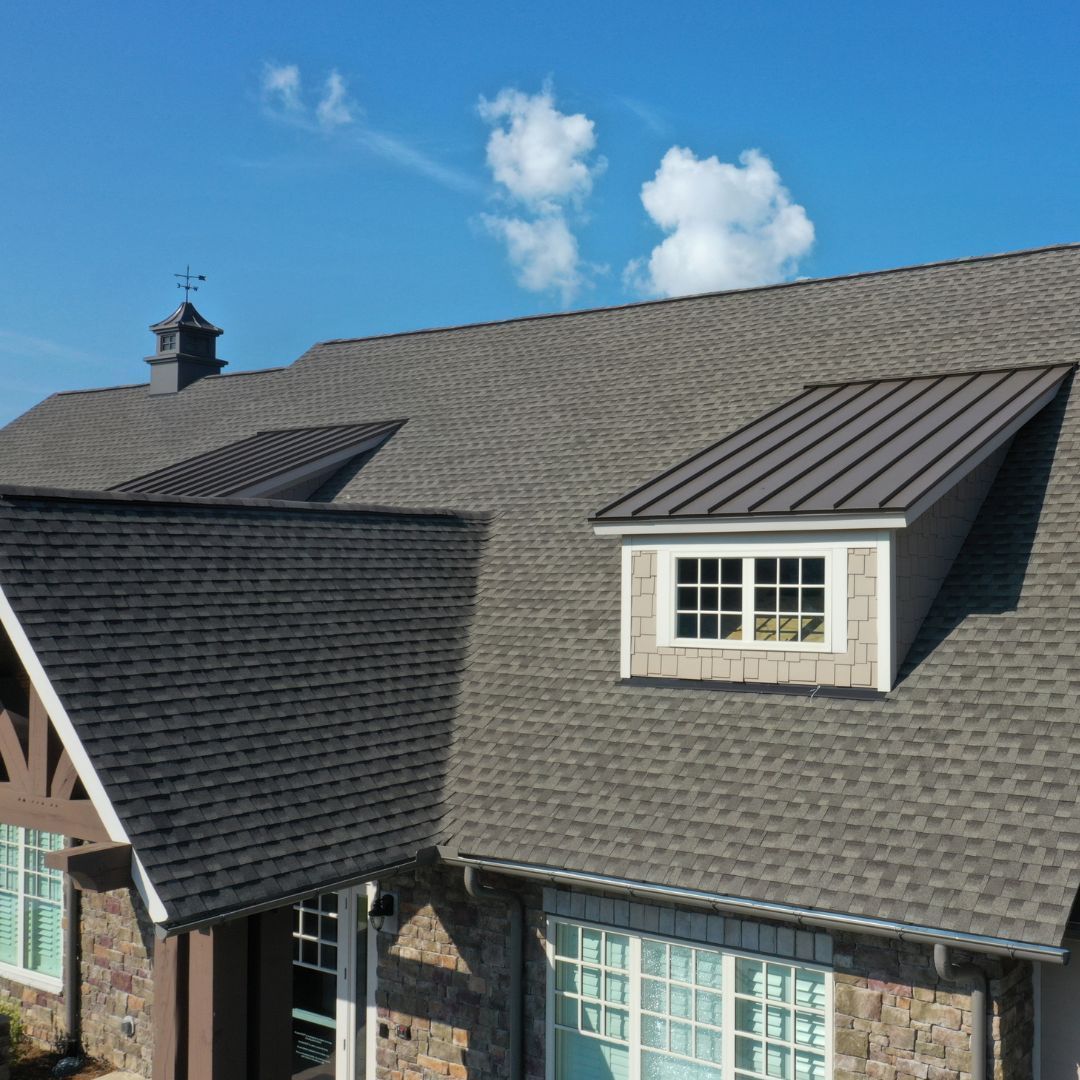
From the inside looking out, a typical Connecticut roof has more layers than most homeowners picture. The rafters carry the structure. Across them runs the roof deck, which is either solid plywood or oriented strand board on newer homes, or individual boards laid side by side on older ones. On top of the deck goes underlayment, then the shingles. Each layer is meant to back up the one above it.
When you can see daylight from the attic, light has found a path through every one of those layers at the same spot, or the deck itself has a hole big enough that the outer layers are the only thing left doing the work. Sunlight does not pass through sound plywood, felt, and shingles. If it reaches you, there is an opening somewhere in that stack.
Water moves through openings much more easily than light does. A gap you can see light through will pass wind driven rain and melting snow without any trouble, especially when the weather pushes moisture sideways or upward under shingle edges. That is the core reason a little light matters more than it looks like it should.
Building up tends to fit homes on smaller lots where there's little or no buildable yard left, or where preserving existing yard space — a garden, a patio, room for kids to play — matters more than avoiding the disruption of an open roof.
Light That Is Often Harmless
Not every pinpoint means a leak, and it helps to know what the common benign sources are before you worry.
Vents Are Supposed To Admit Light
Ridge vents, gable vents, soffit vents, and roof louvers allow airflow and some light. If brightness appears only at a vent opening, it is probably functioning normally.
Single Nail Tips Can Show A Pinhole
Roofing nails penetrate the deck, sometimes allowing tiny light spots through older boards. Scattered faint dots without water stains or damp wood usually require monitoring rather than immediate repairs.
Older Plank Decks Leave Seams
Older homes in New Haven and Fairfield counties may have plank roof decking. Seasonal expansion and contraction can create thin light lines between boards without indicating damage when shingles and underlayment remain intact.
Tip: Wait for a bright midday and turn the attic lights off. Then walk the attic slowly with a flashlight and a roll of painter's tape. Every time you spot light, stick a piece of tape on the rafter beside it. When you are done you will have a map of the problem areas that you can photograph and hand to whoever inspects the roof.
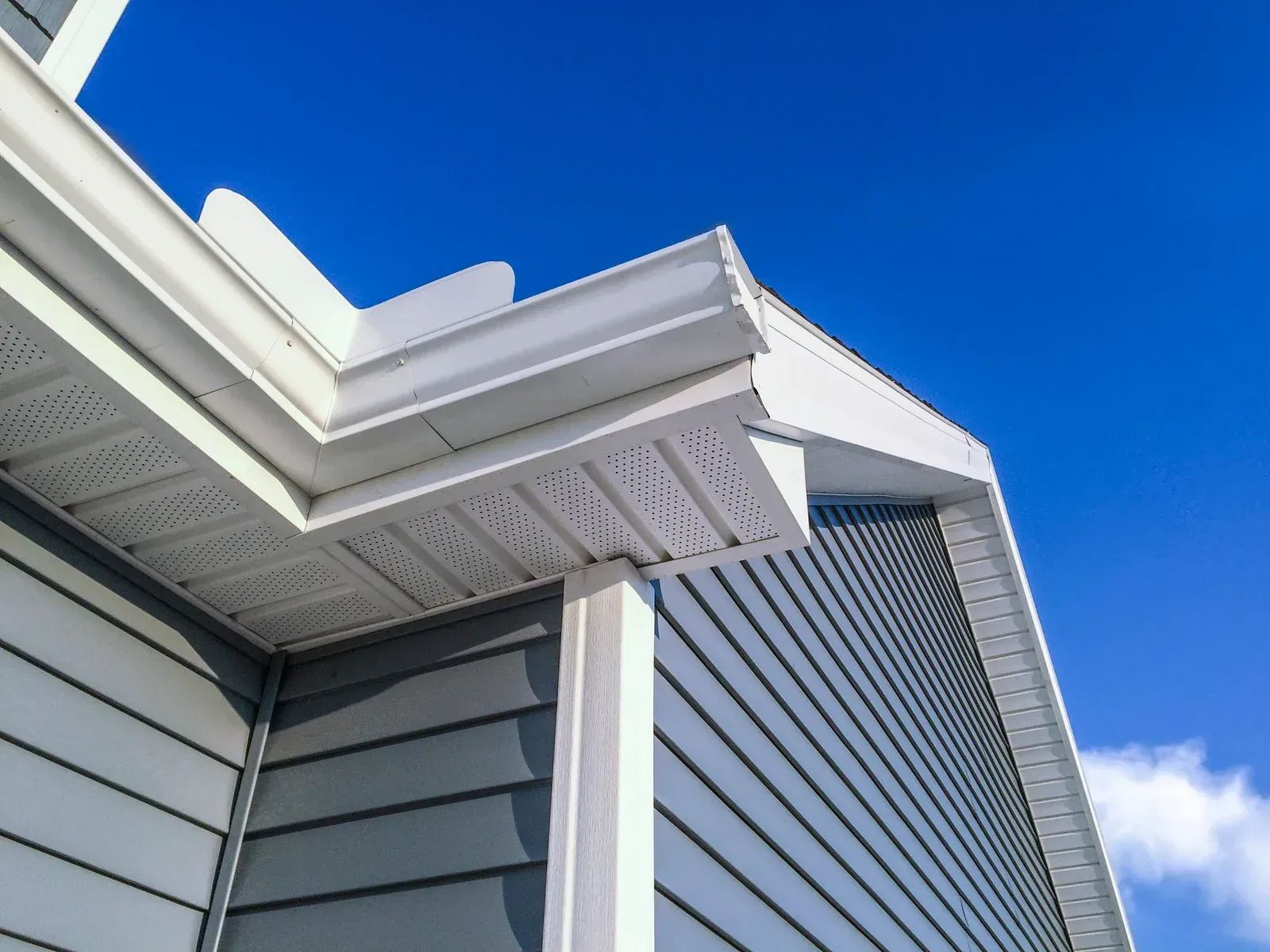
It's tempting to treat damaged soffit and fascia as a low-priority cosmetic issue, but because of what the damage signals and does, it's worth addressing rather than leaving.
First, the moisture behind the damage doesn't stay put. Water getting into or behind the soffit and fascia can spread to the roof structure, the rafter ends, the roof edge, the decking, causing rot and damage beyond the visible components. What starts as peeling or a soft spot on the fascia can, over time, become damage to the roof structure itself, a bigger and more expensive problem. Addressing it while it's confined to the soffit and fascia is far better than letting it work into the roof.
Second, damaged soffit and fascia stop doing their protective job. Compromised fascia can't properly support the gutters or protect the roof edge; damaged soffit leaves the underside of the roof and the attic exposed, and can let in pests. And if a ventilation issue is involved, trapped attic moisture can cause its own problems. So the damage isn't static, it undermines the protection and can worsen. There's also the curb-appeal angle: soffit and fascia frame the roofline, and damaged, sagging, stained boards noticeably detract from the home's appearance.
The right response is to address both the damage and its cause: repair or replace the damaged soffit and fascia, and fix the underlying moisture source (gutters, roof, or ventilation) so it doesn't just come back. That's what protects the roofline, the roof structure behind it, and the home's appearance. Because diagnosing the water source and doing the repair properly, often involving work at the roof edge and gutters, takes some know-how, it's worth having a contractor assess and handle it. Catching and fixing it early, while it's still soffit and fascia rather than roof structure, is the smart move.
Light That Points to a Real Problem
The patterns below are the ones that deserve attention soon, and they are the reason this article calls daylight in the attic urgent instead of merely interesting.
Wide Strips Or Large Patches Of Light
Wide light gaps or visible sky through the roof deck indicate significant openings caused by rotted boards, splits, or damaged shingles and underlayment.
Light That Appears Where There Is No Vent
Light appearing mid-roof, near chimneys, or around plumbing vents often signals failed flashing or pipe boots, allowing water through vulnerable roof connections.
Light In A Spot That Also Looks Stained, Dark, Or Soft
Dark stains, peeling insulation, or soft roof boards around light gaps indicate prolonged moisture exposure, suggesting water has already penetrated the roofing materials.
Light That Is New
Newly visible attic light suggests recent roof damage from storms, strong winds, or falling branches, potentially creating openings that require prompt inspection.
It's tempting to treat damaged soffit and fascia as a low-priority cosmetic issue, but because of what the damage signals and does, it's worth addressing rather than leaving.
First, the moisture behind the damage doesn't stay put. Water getting into or behind the soffit and fascia can spread to the roof structure, the rafter ends, the roof edge, the decking, causing rot and damage beyond the visible components. What starts as peeling or a soft spot on the fascia can, over time, become damage to the roof structure itself, a bigger and more expensive problem. Addressing it while it's confined to the soffit and fascia is far better than letting it work into the roof.
Second, damaged soffit and fascia stop doing their protective job. Compromised fascia can't properly support the gutters or protect the roof edge; damaged soffit leaves the underside of the roof and the attic exposed, and can let in pests. And if a ventilation issue is involved, trapped attic moisture can cause its own problems. So the damage isn't static, it undermines the protection and can worsen. There's also the curb-appeal angle: soffit and fascia frame the roofline, and damaged, sagging, stained boards noticeably detract from the home's appearance.
The right response is to address both the damage and its cause: repair or replace the damaged soffit and fascia, and fix the underlying moisture source (gutters, roof, or ventilation) so it doesn't just come back. That's what protects the roofline, the roof structure behind it, and the home's appearance. Because diagnosing the water source and doing the repair properly, often involving work at the roof edge and gutters, takes some know-how, it's worth having a contractor assess and handle it. Catching and fixing it early, while it's still soffit and fascia rather than roof structure, is the smart move.
Why the Hole Matters More in a Connecticut Winter
A roof in Connecticut goes through a lot of cycles in a single season. Snow builds up, a warm afternoon melts the bottom layer, and the water refreezes at the eaves overnight. Wind off the Sound pushes snow into every seam it can find. The next thaw sends that meltwater down the same gap.
An opening that only drips during a heavy rain in July can pull in a surprising amount of moisture in January, because snow packs against it and sits as a slow, steady water source. Freeze and thaw then do their own damage. Water that gets into a gap and freezes expands, widening the crack a little each time, and the wet board underneath stays wet longer than it would in warm weather.
Cold air makes a second problem. A gap lets warm air from the living space leave through the roof and lets cold outdoor air drop into the attic. Inside the attic, warm moist air meeting a cold deck turns into frost on the underside of the boards and on the nail tips. When the weather warms, that frost melts and drips, which can look exactly like a roof leak even when the shingles above are fine. The fix for frost is air sealing and balanced ventilation, not just patching the roof. Rooms that feel drafty and an attic that is frosty in January are often the same story told twice.
It's tempting to treat damaged soffit and fascia as a low-priority cosmetic issue, but because of what the damage signals and does, it's worth addressing rather than leaving.
First, the moisture behind the damage doesn't stay put. Water getting into or behind the soffit and fascia can spread to the roof structure, the rafter ends, the roof edge, the decking, causing rot and damage beyond the visible components. What starts as peeling or a soft spot on the fascia can, over time, become damage to the roof structure itself, a bigger and more expensive problem. Addressing it while it's confined to the soffit and fascia is far better than letting it work into the roof.
Second, damaged soffit and fascia stop doing their protective job. Compromised fascia can't properly support the gutters or protect the roof edge; damaged soffit leaves the underside of the roof and the attic exposed, and can let in pests. And if a ventilation issue is involved, trapped attic moisture can cause its own problems. So the damage isn't static, it undermines the protection and can worsen. There's also the curb-appeal angle: soffit and fascia frame the roofline, and damaged, sagging, stained boards noticeably detract from the home's appearance.
The right response is to address both the damage and its cause: repair or replace the damaged soffit and fascia, and fix the underlying moisture source (gutters, roof, or ventilation) so it doesn't just come back. That's what protects the roofline, the roof structure behind it, and the home's appearance. Because diagnosing the water source and doing the repair properly, often involving work at the roof edge and gutters, takes some know-how, it's worth having a contractor assess and handle it. Catching and fixing it early, while it's still soffit and fascia rather than roof structure, is the smart move.
What to Do in the First Week
The goal is to learn what you have without making it worse. Here is a sensible order.
Photograph And Map The Light
Use the tape trick, take clear photos with lights off, and record each spot’s roof slope to help inspectors locate problems faster.
Check What The Light Is Landing On
Inspect insulation beneath each light spot for dampness, compression, or discoloration. Check nearby wood for dark stains, rusty nails, or softness indicating moisture damage.
Look From The Ground And From A Safe Distance
Use binoculars to inspect roof areas above mapped spots for missing shingles, exposed flashing, or bare patches. Avoid climbing onto potentially weakened, icy roofs.
Cover A Large Opening If The Forecast Is Bad
If heavy rain or snow approaches, arrange temporary covering for large openings through a qualified professional. Treat coverings as short-term protection, not permanent repairs.
Warning: Do not walk on the attic floor in the area under a bright spot unless you are stepping only on the joists. Insulation hides the drywall below, and a roof section letting in light may also have let in enough water to soften the ceiling beneath it.
It's tempting to treat damaged soffit and fascia as a low-priority cosmetic issue, but because of what the damage signals and does, it's worth addressing rather than leaving.
First, the moisture behind the damage doesn't stay put. Water getting into or behind the soffit and fascia can spread to the roof structure, the rafter ends, the roof edge, the decking, causing rot and damage beyond the visible components. What starts as peeling or a soft spot on the fascia can, over time, become damage to the roof structure itself, a bigger and more expensive problem. Addressing it while it's confined to the soffit and fascia is far better than letting it work into the roof.
Second, damaged soffit and fascia stop doing their protective job. Compromised fascia can't properly support the gutters or protect the roof edge; damaged soffit leaves the underside of the roof and the attic exposed, and can let in pests. And if a ventilation issue is involved, trapped attic moisture can cause its own problems. So the damage isn't static, it undermines the protection and can worsen. There's also the curb-appeal angle: soffit and fascia frame the roofline, and damaged, sagging, stained boards noticeably detract from the home's appearance.
The right response is to address both the damage and its cause: repair or replace the damaged soffit and fascia, and fix the underlying moisture source (gutters, roof, or ventilation) so it doesn't just come back. That's what protects the roofline, the roof structure behind it, and the home's appearance. Because diagnosing the water source and doing the repair properly, often involving work at the roof edge and gutters, takes some know-how, it's worth having a contractor assess and handle it. Catching and fixing it early, while it's still soffit and fascia rather than roof structure, is the smart move.
What a Proper Inspection Looks For
A good roof inspection after you report daylight in the attic is about following the path of the opening in both directions, from the shingles down to the deck and from the attic up to the sky.
An inspector will usually start in the attic at the spots you marked, checking the underside of the deck for staining, soft wood, mold, and rusted fasteners. From there the work moves to the roof surface. The shingles, underlayment, and flashing around the spot are examined for cracks, lifted tabs, exposed nails, and failed sealant. Any boot, vent, or chimney flashing near the opening is checked too, since they are common culprits.
The decision after that is based on how big and how old the problem is. A single failed pipe boot or a few missing shingles is a small repair. A rotted section of deck means that area needs to be cut out and replaced with new decking before shingles go back on, because shingles cannot be nailed securely into wet or crumbling wood. If the roof is old and several areas show light, the better answer may be a larger replacement plan, and a contractor should explain the reasons in plain terms so the decision does not feel rushed.
Ventilation is part of the picture as well. Light from the soffit and ridge in the right places tells you the attic can breathe. If the vents are blocked by insulation or the airflow is unbalanced, the attic holds moisture, and that moisture ages the deck from the inside. A thorough review covers both the holes and the airflow.
It's tempting to treat damaged soffit and fascia as a low-priority cosmetic issue, but because of what the damage signals and does, it's worth addressing rather than leaving.
First, the moisture behind the damage doesn't stay put. Water getting into or behind the soffit and fascia can spread to the roof structure, the rafter ends, the roof edge, the decking, causing rot and damage beyond the visible components. What starts as peeling or a soft spot on the fascia can, over time, become damage to the roof structure itself, a bigger and more expensive problem. Addressing it while it's confined to the soffit and fascia is far better than letting it work into the roof.
Second, damaged soffit and fascia stop doing their protective job. Compromised fascia can't properly support the gutters or protect the roof edge; damaged soffit leaves the underside of the roof and the attic exposed, and can let in pests. And if a ventilation issue is involved, trapped attic moisture can cause its own problems. So the damage isn't static, it undermines the protection and can worsen. There's also the curb-appeal angle: soffit and fascia frame the roofline, and damaged, sagging, stained boards noticeably detract from the home's appearance.
The right response is to address both the damage and its cause: repair or replace the damaged soffit and fascia, and fix the underlying moisture source (gutters, roof, or ventilation) so it doesn't just come back. That's what protects the roofline, the roof structure behind it, and the home's appearance. Because diagnosing the water source and doing the repair properly, often involving work at the roof edge and gutters, takes some know-how, it's worth having a contractor assess and handle it. Catching and fixing it early, while it's still soffit and fascia rather than roof structure, is the smart move.
Keeping Small Openings From Turning Into Big Ones
Once the immediate problem is handled, a few habits keep the roof from getting back to the same spot.
Walk the attic once in fall and once in late winter. Those two visits cover the stretch before the heavy weather and the aftermath of it. Look for new light, damp spots, and frost on nails. Check that insulation has not been pushed over the soffit vents, since blocked intake air is one of the quiet causes of moisture trouble.
After any big wind event or heavy snow, look at the roof from the ground. Missing shingles and lifted ridge caps show up from the yard if you walk around the house and view it from several angles. Catching a bare spot after a nor'easter keeps it from becoming a hole that shows up in your attic six weeks later.
Trim branches that hang over the roof. Limbs scrape shingles and drop debris that holds moisture against the surface, and one heavy fall of wet snow can bring a limb down on a roof that was holding together fine.
Frequently Asked Questions
Is it normal to see a few tiny dots of light in an attic?
Sometimes, yes. Small dots at nail tips or along old plank seams are common on aging roofs, especially when wood shrinks in the cold. With no stains or damp insulation nearby, they usually just need monitoring.
Can daylight in the attic mean my roof is leaking right now?
It can, though a leak is not guaranteed. Light shows that an opening exists, and openings are where leaks start. Look for dark staining, wet insulation, or rusty nails nearby to tell whether water is entering.
Why do I see light around the chimney or a vent pipe?
Those spots rely on flashing and rubber or metal boots to keep water out. Over time sealant dries, metal shifts, and boots crack. Light near them usually points to flashing that pulled away or a failed boot.
Could the light be coming from a vent instead of a hole?
Very often, yes. Ridge vents, gable vents, soffit vents, and attic fans let in air and some brightness. If the light sits right at a vent, it is probably fine. Light mid roof is worth investigating.
How quickly should I act if I find daylight through the boards?
Within days, not months. No need to panic, but gaps let in moisture every time it rains or snows, and wet decking weakens over time. Marking the spots and scheduling an inspection soon prevents bigger repairs.
Does frost on my attic nails mean the same thing as daylight?
Not exactly, but they are connected. Frost forms when warm indoor air reaches a cold deck, which happens more easily with roof gaps and poor air sealing. Melting frost can drip and mimic a leak too.
A Thin Line Of Light Deserves Attention
Daylight in the attic is one of those findings that is easy to shrug off because nothing is dripping yet. The trouble is that by the time a ceiling stain appears, water has usually been working through the roof for a while. Telling a harmless vent or nail hole apart from a real gap comes down to the width of the light, where it sits, and whether the wood around it is stained or soft. Looking now, while it is still a line on the insulation, gives you the simplest chance to fix the cause.
About Time Home Improvement
has spent 21
years tracing these openings for homeowners around West Haven, CT, where snow, freeze and thaw, and wind off the Sound test every seam in a roof each winter. Following the light from the shingles down to the deck, checking for soft or rotted boards, and reading the attic airflow together is what separates a small boot repair from a section of decking that
needs replacing. Catching it early keeps a beam of light from becoming a stain on the ceiling below.