
Why Soffit and Fascia Matter More Than You Think?

November 13, 2025

When it comes to home maintenance, most homeowners focus on visible elements like siding, roofing, or windows. But two often-overlooked components—soffit and fascia—play crucial roles in protecting your home’s structure and ensuring its long-term health. These features might seem minor, but they’re your home’s first line of defense against water damage, pests, and ventilation issues. In a region like Connecticut, where seasonal weather can be unpredictable, maintaining soffit and fascia isn’t optional—it’s essential. Understanding their purpose and knowing when they need attention can save you from costly repairs down the road. Here’s why they matter more than you might think.

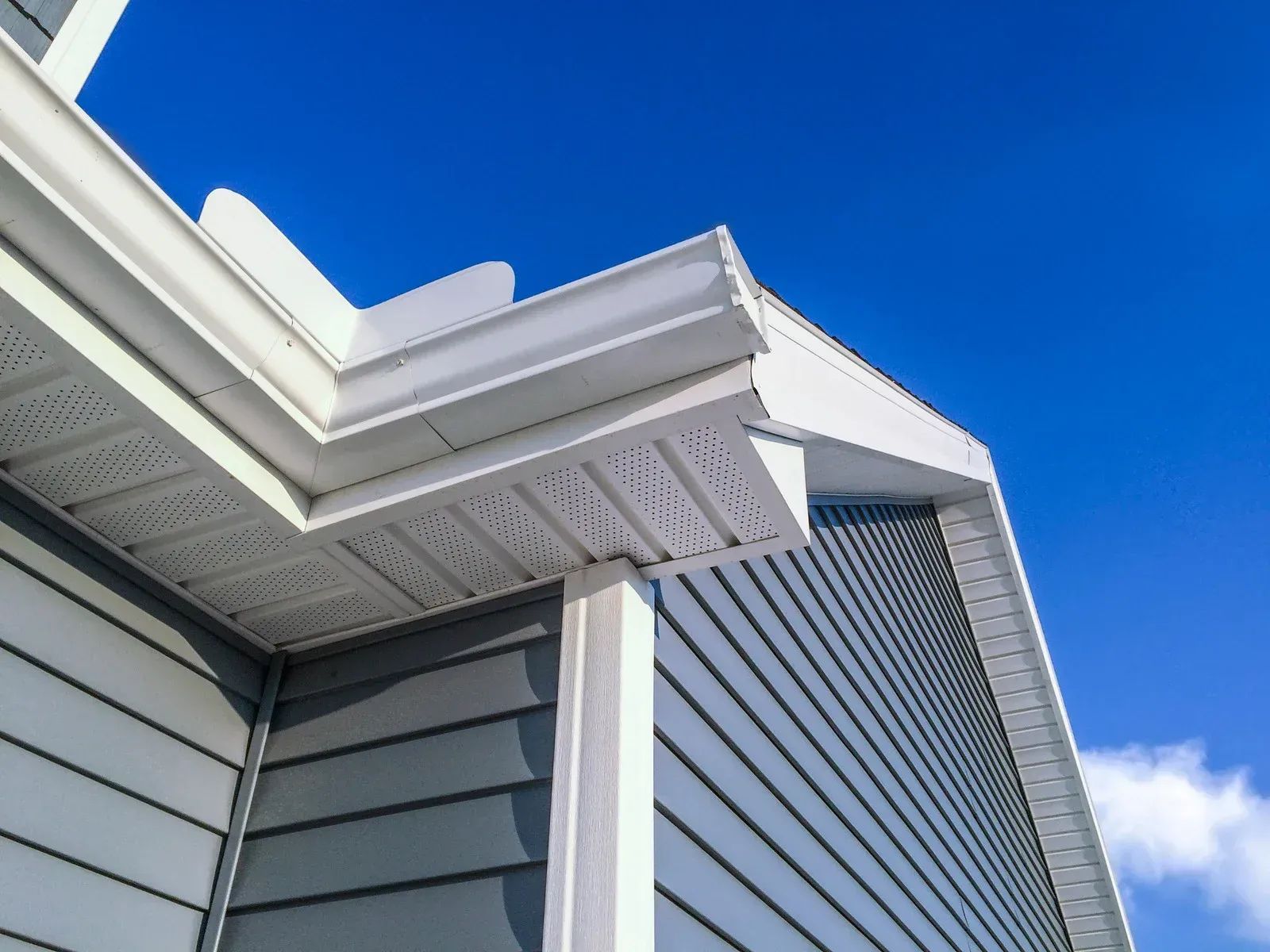
The soffit is the underside of your roof’s overhang, while the fascia is the board that runs along the roof edge, supporting the gutter system. Together, they create a smooth transition between your roof and walls, protecting your home’s structure from exposure. While they may appear purely aesthetic, their functional value is far greater than most homeowners realize.

2. Protection Against Water Damage

Connecticut’s mix of snow, rain, and humidity puts homes at constant risk for moisture problems. The soffit allows for proper ventilation, reducing moisture buildup in the attic, which helps prevent rot, mold, and mildew. Meanwhile, the fascia acts as a barrier, keeping rainwater from seeping into your home’s rafters and walls. If these components are damaged or deteriorating, water can infiltrate and compromise the roof structure—often leading to expensive repairs.

3. Proper Ventilation and Energy Efficiency

Your soffits aren’t just decorative; they help your attic breathe. Ventilated soffits allow air to circulate, balancing indoor temperatures and preventing heat buildup in the summer and condensation in the winter. Without proper airflow, your roof can overheat, shingles can warp, and your energy bills may climb. A well-ventilated soffit system keeps your home more comfortable year-round while improving overall energy efficiency.

4. Keeping Pests Out

Soffit and fascia also protect against unwanted intruders. Birds, squirrels, and insects often look for openings along the roofline to build nests or find shelter. Damaged or rotted fascia boards create easy entry points. Replacing or repairing compromised sections seals your home’s exterior, keeping pests where they belong—outside.

5. Curb Appeal and Longevity

Beyond functionality, soffit and fascia contribute significantly to your home’s curb appeal. Clean, well-maintained trim gives your exterior a polished, finished look. Modern materials such as vinyl or aluminum offer long-lasting beauty with minimal upkeep, resisting peeling, warping, and fading. Updating your soffit and fascia can instantly refresh your home’s appearance and extend the life of your roofing system.

6. When to Call the Professionals

If you notice peeling paint, water stains, sagging gutters, or visible rot, it’s time to call in experts. Delaying repairs can lead to widespread damage and higher costs. Professionals can inspect your roofline, identify issues early, and recommend the best materials for long-term protection—especially in New England’s variable weather.

Protecting Homes from the Top Down

Your soffit and fascia do more than complete your roofline—they protect your home’s structure, improve ventilation, and enhance curb appeal. Regular inspections and timely repairs are key to preventing costly water and pest damage. For expert service you can trust, turn to About Time Home Improvement. Based in West Haven, CT, and backed by 21 years of experience, our team specializes in roofline repairs, replacements, and exterior home improvements. We combine craftsmanship with quality materials to ensure your home remains safe, stylish, and strong—season after season. With About Time Home Improvement, it’s always the right time to protect your home.

White house siding and roof eaves against a blue sky with a few small tree branches
May 6, 2026
Siding is more than a visual element of a home—it is a critical protective barrier that shields the structure from weather, moisture, and environmental wear. Over time, even the most durable siding materials begin to show signs of aging, including cracks, warping, fading, or moisture infiltration.
Two gabled roofs with dark shingles sit atop light-colored horizontal siding against a clear blue sky.
April 14, 2026
Siding is one of the most important protective layers of a home, yet it is often overlooked until visible damage becomes unavoidable. Acting as the first line of defense against weather, moisture, pests, and temperature fluctuations, siding plays a crucial role in maintaining structural integrity and energy efficiency.
An aerial view of a dark grey metal hip roof on a building under construction, featuring multiple chimneys.
March 12, 2026
Choosing the right roofing material for your home is one of the most critical decisions in home construction and renovation. Your roof is not only a protective barrier against the elements, but it also contributes significantly to your home’s energy efficiency, curb appeal, and overall longevity.