
How to Choose the Right Roofing Material for Your Home: Pros and Cons
Choosing the right roofing material for your home is one of the most critical decisions in home construction and renovation. Your roof is not only a protective barrier against the elements, but it also contributes significantly to your home’s energy efficiency, curb appeal, and overall longevity. With so many options available, from asphalt shingles to metal roofing, the selection process can feel overwhelming. Homeowners must weigh durability, aesthetic appeal, maintenance requirements, and cost to ensure their choice aligns with both short-term needs and long-term investment goals.
Moreover, climate, local building codes, and personal lifestyle considerations play a significant role in determining the best roofing solution. While one material may be ideal for a coastal home exposed to salty air, another may perform better in regions with heavy snowfall. Understanding the benefits and drawbacks of each roofing type can prevent costly repairs, improve energy efficiency, and increase property value. In this comprehensive guide, we’ll explore the most popular roofing materials, evaluate their pros and cons, and provide actionable insights to help homeowners make an informed, confident decision for a roof that lasts.
1. Asphalt Shingles: Affordable and Versatile
Overview
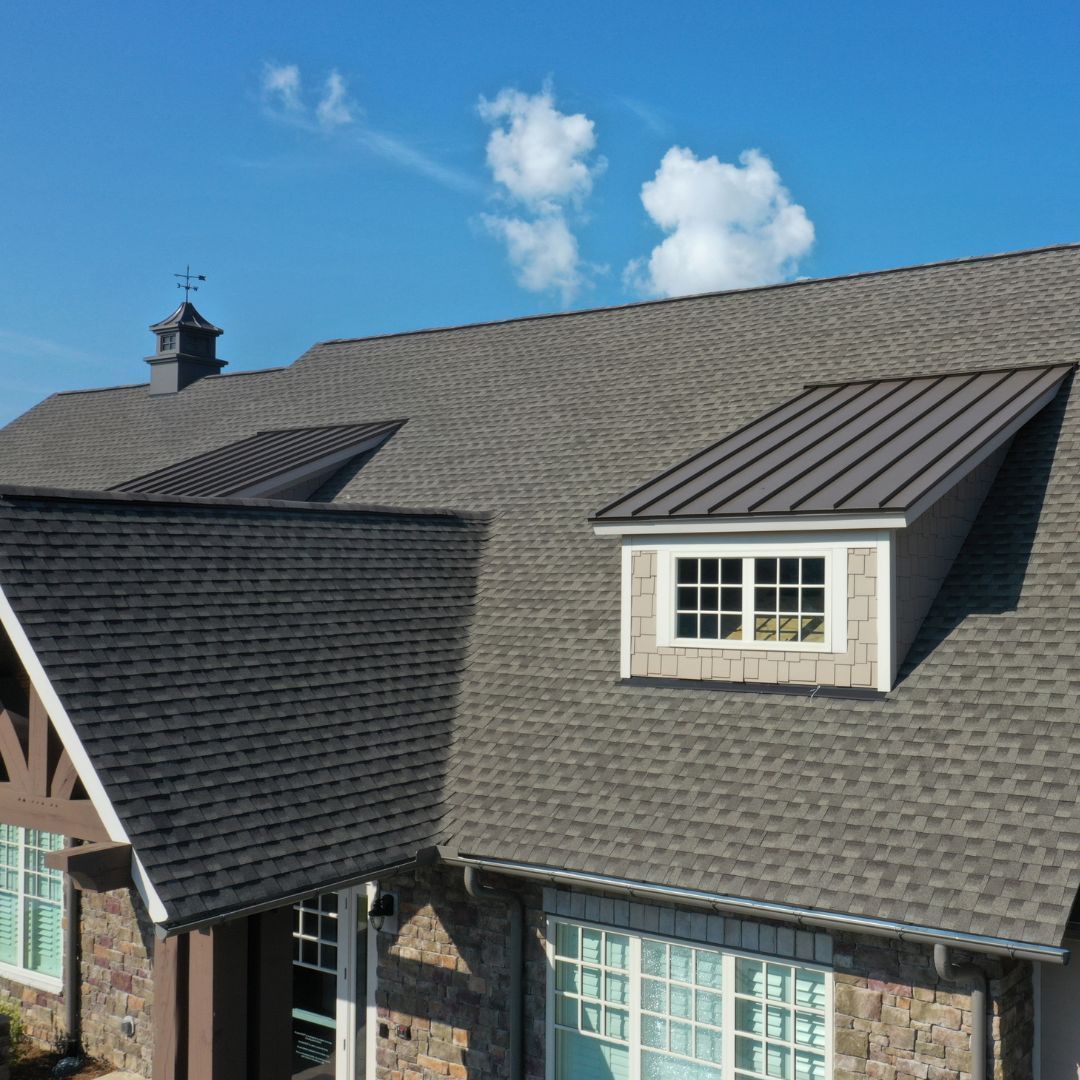
Asphalt shingles are the most commonly used roofing material in North America due to their affordability, ease of installation, and wide range of styles and colors that can complement almost any home design. They typically come in two types: fiberglass and organic, with fiberglass shingles being more durable, fire-resistant, and increasingly popular among homeowners seeking longevity and reliability.
Pros
- Cost-Effective: Asphalt shingles are one of the least expensive options available, making them ideal for homeowners on a budget who still want a functional, attractive roof.
- Variety: Available in numerous colors, styles, and textures, they can complement almost any architectural style and enhance your home's overall curb appeal.
- Ease of Installation: Asphalt shingles are relatively easy to install, reducing labor costs and installation time significantly compared to heavier or more complex roofing materials.
- Repair-Friendly: Individual shingles can be replaced if damaged, avoiding complete roof replacement and saving money on minor repairs over time.
Cons
- Shorter Lifespan: Asphalt shingles generally last 15–30 years, shorter than metal or tile roofing options that can endure decades longer.
- Weather Vulnerability: They are susceptible to damage from high winds, hail, and extreme temperature fluctuations, which may require more frequent maintenance.
- Environmental Impact: Being petroleum-based, they are less eco-friendly and more difficult to recycle than other sustainable roofing alternatives available today.
Best Practices
Regular inspection, especially after storms, and timely replacement of damaged shingles can extend the life of an asphalt roof considerably. Pairing asphalt shingles with high-quality underlayment and proper ventilation can also enhance overall durability and energy efficiency.
2. Metal Roofing: Durable and Long-Lasting
Overview
Metal roofing has gained significant popularity due to its impressive longevity, energy efficiency, and modern aesthetic appeal. It includes materials such as steel, aluminum, copper, and zinc, each offering unique properties suited to different climates, architectural styles, and homeowner preferences.
Pros
- Longevity: Metal roofs can last 40–70 years with minimal maintenance, outperforming most traditional roofing materials in terms of lifespan.
- Weather Resistance: They withstand heavy snow, rain, and high winds better than many other roofing materials, ensuring reliable protection for your home.
- Energy Efficiency: Reflective coatings help reduce heat absorption, lowering cooling costs and improving overall energy efficiency in warm climates.
- Fire-Resistant: Metal is non-combustible, making it a safer option in fire-prone areas or regions with strict building codes.
Cons
- Higher Upfront Cost: Initial investment is higher compared to asphalt shingles, though long-term savings often offset this expense over time.
- Noise Factor: Rain or hail can be noisy on a metal roof, though adding insulation or soundproofing layers mitigates this issue effectively.
- Complex Installation: Requires specialized installation expertise to ensure proper sealing, performance, and long-term durability of the roofing system.
Best Practices
Choosing metal roofing with anti-corrosion coating and hiring experienced installers ensures maximum performance and longevity. Periodic inspections for loose fasteners, scratches, or damaged panels are recommended to prevent potential leaks.
3. Clay and Concrete Tiles: Timeless and Strong
Overview
Clay and concrete tiles are a classic choice for homeowners seeking durability, fire resistance, and architectural elegance. Often seen in Mediterranean, Spanish, or Southwestern-style homes, these tiles provide a distinctive, upscale look that can enhance property value and overall curb appeal.
Pros
- Exceptional Longevity: Clay and concrete tiles can last 50–100 years, offering homeowners decades of reliable performance with minimal maintenance.
- Fire and Weather Resistant: Highly resistant to fire, rot, and insect damage, making them suitable for harsh weather conditions and long-term durability.
- Energy Efficiency: The thermal mass of tiles helps maintain interior temperature, reducing energy bills and improving overall home comfort.
- Aesthetic Appeal: Offers a unique, upscale appearance with various shapes, colors, and textures to complement specific architectural designs effectively.
Cons
- Heavy Material: Requires a reinforced roof structure to safely support weight, adding to installation complexity and structural considerations.
- High Cost: Both materials and professional installation can be expensive compared to other roofing options like asphalt or wood.
- Fragility: While durable under pressure, tiles can crack if walked on improperly or struck by heavy objects during maintenance.
Best Practices
Professional installation is critical for maintaining proper alignment, structural integrity, and securing tiles effectively. Periodic inspection for cracked, broken, or displaced tiles ensures long-term performance and reduces the risk of water intrusion.
4. Wood Shingles and Shakes: Natural Beauty with Maintenance Needs
Overview
Wood shingles and shakes provide a warm, natural aesthetic that complements traditional and rustic home designs beautifully. Shingles are machine-cut and uniform, while shakes are hand-split, offering a more textured, natural look with added character and visual appeal.
Pros
- Visual Appeal: Offers unmatched beauty and a natural, rustic charm that enhances the architectural authenticity of your home exterior.
- Insulation Benefits: Wood provides natural insulation, helping regulate indoor temperature and improve energy efficiency throughout the year.
- Eco-Friendly: Sustainable wood options reduce environmental impact while providing a renewable, biodegradable roofing solution for eco-conscious homeowners.
Cons
- Maintenance-Intensive: Requires regular treatment to prevent mold, rot, and insect damage, demanding ongoing attention for optimal performance.
- Shorter Lifespan: Typically lasts 20–40 years depending on climate conditions and the level of proper maintenance applied over time.
- Fire Risk: Unless treated with fire-retardant chemicals, wood is highly flammable and may not comply with fire-safety building codes.
Best Practices
Applying protective sealants, performing regular inspections, and keeping debris off the roof can significantly prolong wood roofing life. Choosing fire-resistant wood varieties is highly recommended in high-risk fire zones.
5. Slate Roofing: Elegant and Long-Lasting
Overview
Slate roofing is synonymous with elegance, durability, and sophistication. Known for its natural stone appearance, it is often used on historic, high-end, or luxury homes. Slate tiles are available in a range of colors, from gray and black to green and purple, providing a distinctive architectural statement.
Pros
- Unmatched Longevity: Slate roofs can last over 100 years with proper maintenance, making them a long-term investment in home value.
- Durable: Resistant to fire, wind, rot, and harsh environmental conditions, ensuring structural integrity for decades.
- Low Maintenance: Minimal care is required compared to wood or asphalt, reducing long-term maintenance efforts and costs.
- High Resale Value: Adds significant curb appeal and increases the market value of your home substantially.
Cons
- Cost-Prohibitive: Material and installation costs are among the highest of all roofing options, often limiting accessibility for budget-conscious homeowners.
- Heavy Material: Requires a reinforced roof structure capable of supporting substantial weight, increasing installation complexity.
- Specialized Installation: Skilled labor is essential to avoid cracks, improper placement, or water leaks, requiring experienced professionals.
Best Practices
Hiring certified slate roof installers is critical to ensure proper installation and long-term performance. Routine inspections and prompt replacement of broken tiles maintain structural integrity and aesthetic appeal over time.
Factors to Consider When Choosing a Roofing Material
Climate
Select a material that withstands local weather conditions effectively. For example, metal roofs excel in snowy climates, while clay tiles perform exceptionally well in hot, dry regions exposed to intense sunlight.
Budget
Consider both upfront costs and long-term maintenance expenses carefully. Asphalt is budget-friendly initially, whereas slate and metal may save money over decades due to durability and reduced upkeep needs.
Longevity and Maintenance
Evaluate how long you intend to stay in the home. Long-lasting options like slate or metal are ideal for long-term investment, while asphalt or wood may suit shorter-term homeownership scenarios.
Trusted Professionals Committed to Exceptional Roof Quality
Selecting the right roofing material is more than a cosmetic decision—it’s an investment in your home’s durability, safety, and energy efficiency. Each roofing option, from affordable asphalt shingles to luxurious slate tiles, carries unique advantages and challenges that homeowners must weigh carefully. Understanding the trade-offs in lifespan, maintenance, cost, and environmental impact ensures your roof not only protects your home but also enhances its value and comfort for years to come.
When choosing a roofing partner, trust and expertise matter as much as the material itself. About Time Home Improvement, located in West Haven, CT, brings 21
years of industry experience to every project. Our team provides personalized guidance, helping homeowners select materials that align with style preferences, budget, and regional climate. With a commitment to quality craftsmanship, timely completion, and long-term results, we ensure every roof installation or repair offers lasting protection, efficiency, and beauty. Partnering with experienced professionals guarantees peace of mind and a home built to endure.