
Maximizing Space and Value: A Guide to Successful Home Additions
As families grow, lifestyles evolve, and property needs change, many homeowners face a common challenge: finding enough living space without leaving a neighborhood they love. Home additions have become one of the most practical solutions for expanding usable square footage while enhancing comfort, functionality, and long-term property value. Whether adding a new bedroom, expanding a kitchen, building a home office, or creating a multi-purpose living area, a well-planned addition allows homeowners to adapt their property to changing needs without the expense and disruption of relocating. In today's housing market, maximizing existing property potential has become an increasingly attractive investment strategy.
A successful home addition involves far more than simply increasing square footage. It requires careful planning, thoughtful design, compliance with local building requirements, and a clear understanding of how the new space will integrate with the existing structure. When executed properly, an addition can improve daily living, enhance curb appeal, and deliver strong returns on investment. However, poor planning can lead to budget overruns, construction challenges, and reduced value. Understanding the key factors that contribute to a successful project helps homeowners make informed decisions from the earliest stages of planning through final completion. This guide explores how to maximize both space and value through strategic home additions.
1. Understanding the Purpose of Your Home Addition
Identifying Current and Future Needs
Before any design plans are created, homeowners should clearly define the purpose of the addition. Understanding why additional space is needed helps guide decisions regarding size, layout, features, and budget.
Some homeowners need extra bedrooms for growing families, while others require dedicated workspaces for remote employment. Additional living areas, expanded kitchens, guest suites, sunrooms, and in-law accommodations are also common reasons for pursuing an addition.
Considering future needs is equally important. A project designed solely around current requirements may become inadequate within a few years. Planning for flexibility ensures the investment continues delivering value as household needs evolve.
Matching Functionality with Lifestyle
Every successful addition supports the way people actually live. For example, a family that frequently entertains guests may benefit more from an expanded living room than an additional bedroom. Similarly, homeowners working remotely may prioritize office space over recreational areas.
Evaluating daily routines, storage requirements, and long-term goals helps create a space that improves both comfort and functionality.
2. Planning for Maximum Return on Investment
- Choosing High-Value Addition Projects:-
Not all additions generate the same return. Some projects offer stronger resale value because they address common buyer preferences and improve overall property functionality.
Popular value-adding additions include:
1. Primary bedroom suites
2. Expanded kitchens
3. Additional bathrooms
4. Family rooms
5. Home offices
6. Multi-purpose living spaces
These improvements often appeal to a wider range of future buyers while enhancing current living conditions.
- Balancing Cost and Added Value:- A larger addition does not automatically produce greater returns. Overbuilding for the neighborhood can limit resale benefits and create unnecessary expenses.
Successful projects strike a balance between construction costs and anticipated value. Homeowners should evaluate local market conditions, comparable properties, and long-term ownership plans before finalizing project scope.
For example, adding a luxury entertainment room may provide personal enjoyment, but a practical bedroom and bathroom addition may deliver broader market appeal and stronger value.
- Creating a Realistic Budget:- Comprehensive budgeting should include:
1. Design and architectural services
2. Permits and inspections
3. Construction labor
4. Materials
5. Utility upgrades
6. Interior finishes
7. Contingency funds
Unexpected conditions can arise during construction, particularly when modifying existing structures. Maintaining a financial buffer helps prevent unnecessary stress and project delays.
3. Designing an Addition That Feels Seamless
Maintaining Architectural Consistency
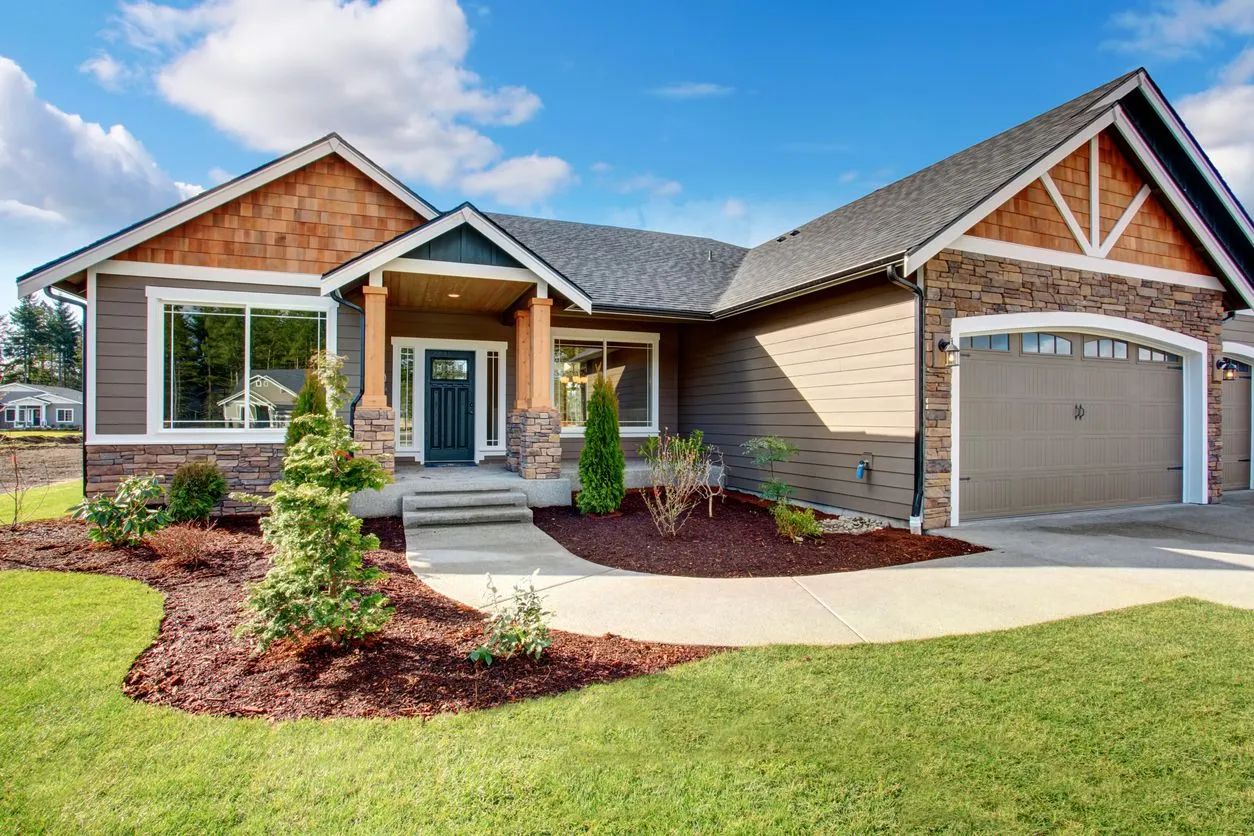
One of the biggest indicators of a successful addition is how naturally it blends with the original home. Poorly integrated expansions often appear disconnected and can negatively affect aesthetics and value.
Matching rooflines, exterior materials, window styles, trim details, and architectural features helps create a cohesive appearance. The goal is for the addition to feel like it has always been part of the home.
A seamless design also improves curb appeal and creates a more attractive overall property presentation.
Prioritizing Flow and Functionality
Interior layout plays a major role in determining how successful a home addition feels after completion.
Questions to consider include:
- Does the new space connect naturally with existing rooms?
- Will traffic patterns remain comfortable?
- Is natural light being maximized?
- Are storage needs being addressed?
For example, a kitchen expansion should improve workflow rather than create awkward movement between cooking, dining, and gathering spaces.
Thoughtful space planning ensures homeowners gain practical benefits rather than simply adding square footage.
Maximizing Natural Light
Natural light significantly impacts the perception of space. Rooms that receive ample daylight often feel larger, more inviting, and more comfortable.
Strategic placement of windows, glass doors, skylights, and open floor plans can transform an addition while reducing dependence on artificial lighting during daytime hours.
A bright, welcoming environment contributes to both daily enjoyment and long-term property appeal.
4. Navigating Construction and Regulatory Requirements
- Understanding Permit and Code Requirements:- Every home addition must comply with local building regulations. Permits help ensure construction meets safety, structural, electrical, plumbing, and zoning standards.
Skipping permit requirements can lead to significant problems, including:
1. Project delays
2. Fines and penalties
3. Insurance complications
4. Difficulties during property sales
Understanding local requirements before construction begins helps avoid costly setbacks later.
- Evaluating Structural Considerations:- Adding new space often affects existing foundations, framing systems, roofing structures, and utility networks.
Professional evaluations help determine:
1. Load-bearing requirements
2. Foundation capacity
3. Roof modifications
4. Electrical upgrades
5. HVAC needs
6. Plumbing integration
Addressing structural requirements early helps prevent surprises during construction.
- Preparing for Construction Disruptions:-
Even well-managed projects create temporary inconveniences. Noise, dust, restricted access, and schedule adjustments are common during construction.
Homeowners can reduce stress by establishing realistic expectations and maintaining open communication throughout the project.
Planning alternative living arrangements for specific phases may also be beneficial when major renovations impact essential living spaces.
5. Smart Strategies for Maximizing Space
Building Up Instead of Out
When lot size limitations restrict horizontal expansion, vertical additions can provide valuable extra space.
Second-story additions offer several advantages:
- Preserve yard space
- Increase living area substantially
- Improve property functionality
- Enhance long-term value
While vertical expansions often involve greater structural complexity, they can be an excellent solution for properties with limited outdoor space.
Creating Multi-Functional Rooms
Modern homeowners increasingly seek flexible spaces that serve multiple purposes.
Examples include:
- Guest rooms with home office functionality
- Playrooms that convert into study areas
- Finished bonus rooms for recreation and work
- Basement additions with adaptable layouts
Multi-functional spaces increase usability while supporting changing household needs.
Incorporating Smart Storage Solutions
Additional square footage alone does not guarantee better organization. Integrated storage helps maximize every available inch.
Effective storage features include:
- Built-in shelving
- Window seating with storage
- Custom closets
- Hidden compartments
- Mudroom storage systems
Thoughtful storage planning improves efficiency and helps maintain a clutter-free environment.
Improving Energy Performance
A new addition provides an opportunity to incorporate energy-conscious features that improve comfort and reduce utility costs.
Potential upgrades include:
- Enhanced insulation
- Energy-efficient windows
- Modern HVAC systems
- Smart thermostats
- LED lighting
These improvements contribute to long-term savings while supporting overall home performance.
6. Common Challenges and How to Avoid Them
- Underestimating Project Complexity:-
Many homeowners focus primarily on design while overlooking logistical challenges. Construction schedules, permit approvals, material availability, and structural modifications all influence project timelines.
Comprehensive planning helps establish realistic expectations and reduces frustration.
- Prioritizing Size Over Quality:- Larger additions are not always better. High-quality construction, thoughtful design, and durable materials often contribute more value than sheer square footage.
A well-designed smaller addition may outperform a larger but poorly executed project in both functionality and resale appeal.
- Failing to Consider Long-Term Ownership:- Successful additions should support both current enjoyment and future marketability.
Features that appeal to future buyers while serving present needs create stronger overall value. Flexible layouts, quality finishes, and timeless design choices often age better than highly specialized spaces.
- Overlooking Professional Expertise:- Complex home additions require expertise across multiple disciplines, including design, engineering, permitting, and construction.
Working with experienced professionals helps identify potential challenges before they become expensive problems. Proper guidance supports better decision-making throughout the project lifecycle.
Experienced Remodeling Specialists Enhancing Residential Living Spaces
When planning a home addition, experience, craftsmanship, and attention to detail make a significant difference in the final outcome. At About Time Home Improvement, we bring 21 years of industry experience helping homeowners transform properties into more functional, comfortable, and valuable living spaces. Serving Lake Wales, FL, we understand the importance of designing additions that complement existing structures while meeting the unique needs of every household.
Our approach focuses on careful planning, quality construction, and clear communication throughout every phase of the project. We work closely with homeowners to create additions that maximize available space, improve property performance, and support long-term goals. From expanding living areas and adding bedrooms to creating customized spaces that fit changing lifestyles, we are committed to delivering results that combine practicality with lasting value.
Every project is completed with a focus on craftsmanship, building standards, and customer satisfaction. Our knowledge of residential construction allows us to guide homeowners through complex decisions while helping avoid common challenges. For homeowners seeking a trusted partner for home additions and improvement projects, About Time Home Improvement
provides the expertise, reliability, and professional service needed to bring a vision to life with confidence.